
Forex trading, short for foreign exchange trading, is one of the most dynamic and accessible financial markets in the world. It involves the exchange of currencies in a global decentralized marketplace. Everyday, billions of dollars are traded across various platforms, making forex one of the largest financial markets. If you are considering entering the forex trading business Indian Trading Platforms or want to expand your knowledge about forex trading, this article will provide you with valuable insights into the forex trading business.
What is Forex Trading?
Forex trading refers to the buying and selling of currency pairs—like EUR/USD or GBP/JPY—with the aim of making a profit. Unlike stock markets, forex operates 24/5, allowing traders to open and close trades at any time during trading days. The forex market is characterized by high volatility and liquidity, providing numerous opportunities for traders but also presenting various risks.
The Basics of Currency Pairs
In forex trading, currencies are traded in pairs. Each currency pair consists of a base currency and a quote currency. The base currency is the first currency in the pair, and the quote currency is the second. For example, in the pair EUR/USD, the euro is the base, and the U.S. dollar is the quote. The price of the pair indicates how much of the quote currency is needed to purchase one unit of the base currency.
Understanding Forex Market Participants
The forex market consists of several types of participants:
- Central Banks: National banks that influence the value of their currencies through monetary policy.
- Commercial Banks: Major financial institutions that facilitate the trading of currencies on behalf of clients and for their own accounts.
- Corporations: Businesses engaged in international trade that seek to hedge against currency fluctuations.
- Retail Traders: Individual traders who trade forex through online platforms.
Choosing the Right Trading Platform
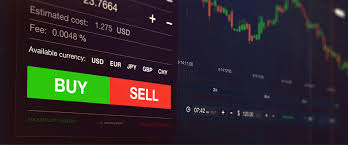
To start trading forex, you’ll need to select a trading platform. The right platform can significantly impact your trading experience. Here are some factors to consider when choosing:
- Regulation: Ensure the platform is regulated by a reputable financial authority.
- Trading Tools: Look for platforms that offer advanced trading tools to help with analysis.
- Customer Support: Reliable customer support is crucial in case you encounter issues.
- Fees and Spreads: Understand the costs associated with trading on the platform, including spreads and commissions.
Developing a Trading Strategy
A successful forex trader employs a well-thought-out trading strategy. Here are some popular trading strategies:
- Scalping: A short-term strategy focused on making small profits from tiny price changes.
- Day Trading: All positions are closed before the market closes to avoid overnight risks.
- Swing Trading: A strategy that involves holding positions for several days to capture price swings.
- Position Trading: A long-term strategy based on fundamental analysis.
Risk Management in Forex Trading
One of the most critical aspects of forex trading is risk management. Protecting your capital is essential for long-term success. Here are some risk management strategies:
- Use Stop-Loss Orders: This tool helps you limit potential losses by closing a trade once it reaches a predetermined price.
- Position Sizing: Determine how much capital you are willing to risk on each trade.
- Diversify Your Portfolio: Spread your risk across different currency pairs and trading strategies.
- Keep Emotions in Check: Avoid making impulsive decisions based on fear or greed.
Staying Informed: Market Analysis
Successful forex trading requires continuous analysis of market trends and economic indicators. Traders can utilize two main types of analysis:
- Technical Analysis: Involves analyzing historical price charts and patterns to predict future movements.
- Fundamental Analysis: Involves examining economic indicators, news releases, and geopolitical events that could impact currency values.
Conclusion
The forex trading business offers immense potential for profit, but it comes with significant risks. Understanding the fundamental principles, choosing the right trading platform, and developing solid risk management strategies are crucial to becoming a successful forex trader. Continuous learning and staying informed about market dynamics are also key factors that will contribute to your success in this exciting field.
Whether you practice on a demo account or delve into real trading, always remember the importance of education and strategy in your journey as a forex trader.